What’s the Difference Between Shyness and Social Anxiety Disorder?
Shyness is part of how some people are wired. New settings feel uncomfortable, groups take getting used to, small gatherings suit them better than crowds. None of that is a problem. Social anxiety disorder is different in kind, not just degree. Fear of being judged or humiliated sits at the centre of it, and it doesn’t fade with familiarity. It shapes decisions, limits opportunities, and over time, builds a life organised around avoidance. Social anxiety vs shyness is a clinical distinction, and getting it wrong means years without the right help.
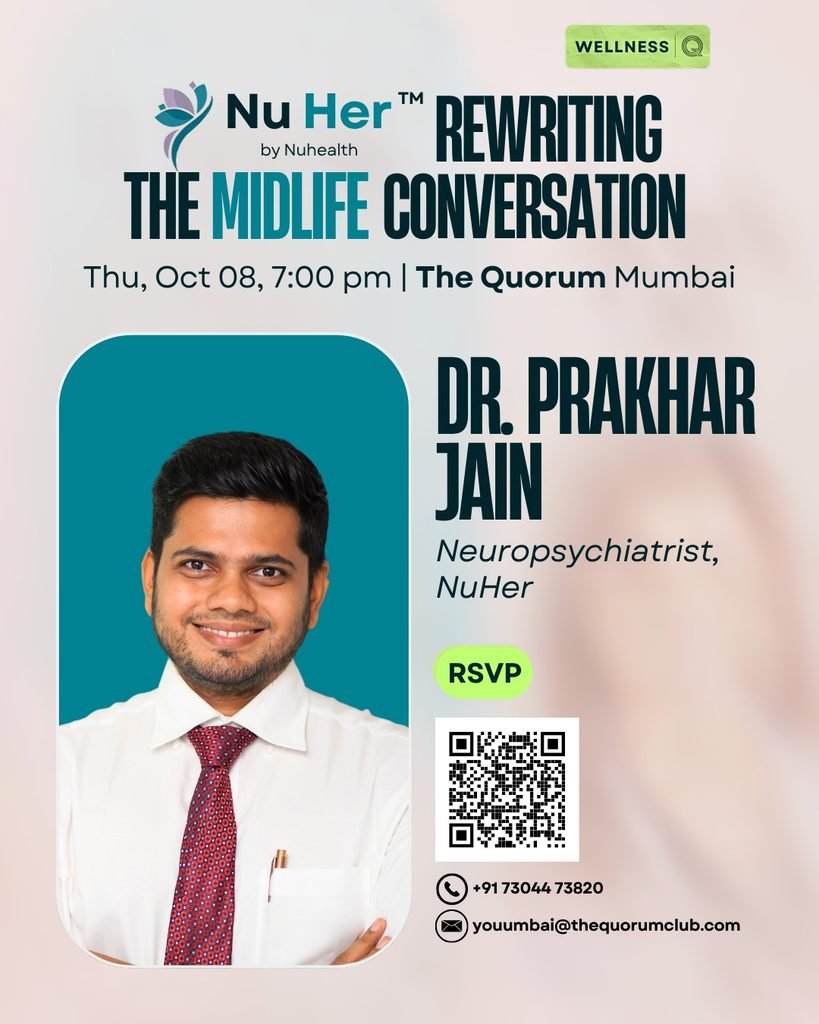
According to Dr. Prakhar D. Jain, a Psychiatrist in Mumbai, “Many patients come in having labelled themselves as ‘just shy’ for years. By the time they arrive, they’ve turned down jobs, avoided relationships, and built their routines around not being seen. That’s not shyness. That’s social anxiety disorder, and it responds well to the right treatment.”
How Do Shyness and Social Anxiety Disorder Actually Differ?
The two share surface features. Pull them apart and the picture changes.
- Functional impairment: Shy people feel the discomfort and show up anyway. Someone with social anxiety disorder may spend days beforehand dreading it, leave before it’s over, or not go at all. What separates them isn’t nervousness. It’s whether that nervousness dictates what gets done.
- Physical symptoms: A bit of nerves before meeting someone new is ordinary and passes quickly. Social anxiety disorder produces palpitations, sweating, nausea, and shaking before situations most people wouldn’t think twice about. The body reads social exposure as threat.
- How long it lasts: Shyness eases as settings and people become familiar. Social anxiety disorder doesn’t follow that pattern. It stays broadly consistent, and a clinical diagnosis typically requires it to have been present for at least six months.
- Avoidance patterns: Shyness rarely costs someone a job offer, a friendship, or a decade of social contact. Social anxiety disorder frequently does. And unlike shyness, avoidance in social anxiety disorder tends to grow rather than shrink if left unaddressed.
A proper psychiatric evaluation is the only reliable way to separate the two. If social fear is already shaping daily decisions, social anxiety treatment offers structured, evidence-based routes that work.
Can You Have Social Anxiety Without Being Shy?
These two get treated as the same thing more often than they should.
Feature | Shyness | Social Anxiety Disorder |
Nature | Personality trait | Diagnosable condition |
Social discomfort | Mild, situational | Intense, persistent |
Avoidance | Rare | Common, disrupts daily life |
Physical symptoms | Occasional mild nervousness | Frequent, often severe |
Needs clinical treatment | No | Yes |
Improves with familiarity | Usually | Not reliably |
- Social anxiety without shyness: About half the people diagnosed with social anxiety disorder don’t consider themselves shy. The fear is narrower than that. It’s specifically about being watched, evaluated, or found lacking.
- Physical symptoms matter here: Palpitations, shaking, and nausea appearing before ordinary conversations aren’t just nerves. They signal something more specific than social preference.
- Avoidance as a sign: When someone reorganises their career, social life, or daily routines around not being seen, that’s not a personality style. That’s a condition worth assessing.
- Social anxiety and autism: There is clinical overlap, but the underlying reasons differs. Autistic individuals may struggle socially due to communication differences, not fear of judgment. A thorough assessment is needed before either is assumed.
Because physical symptoms during anxiety can sometimes be alarming in their own right, our blog on panic attack vs heart attack is worth reading if physical fear responses are part of the picture.
Why Choose Dr. Prakhar D. Jain for Social Anxiety Disorder Treatment?
Dr. Prakhar D. Jain has over 13 years of experience in psychiatry with an MBBS, MD and DNB in Psychiatry, and a fellowship in Neurodevelopmental Paediatrics and Learning Disability. Social anxiety disorder is one of the conditions he sees dismissed most often, written off as shyness, or mixed up with autism or introversion before anyone looks carefully at what’s actually driving the avoidance. His assessments go through symptom history, functional impact, and what else might be in the picture before any conclusion is drawn. The plan that follows is built around what’s specifically driving the fear, not a template applied to everyone who finds social situations difficult.
Not sure whether what you’re experiencing is shyness or something that needs support?
FAQs
How do I know if social situations are affecting me beyond normal shyness?
When fear of judgment starts costing you opportunities or relationships, that’s worth looking at clinically.
I don’t think of myself as shy. Can I still have social anxiety disorder?
Yes. Around half of those with social anxiety disorder wouldn’t call themselves shy.
What actually helps with social anxiety disorder?
CBT is the main treatment. Medication is added when a psychiatrist thinks it’s warranted.
Is avoiding social situations just a personality thing?
Sometimes. But when avoidance grows over time and limits daily life, it usually needs clinical attention.
Reference
Disclaimer: This blog is for educational purposes only and does not replace professional medical advice; please consult a qualified psychiatrist for diagnosis or treatment.

MBBS, M.D. (PSYCHIATRY), PDF, EMH (USA)
Child & Neuro Psychiatrist.
Dr. Prakhar Jain is a Psychiatrist in Mumbai, and has an experience of more than 13 years in this field. Dr. Prakhar Jain practices at Breach Candy Hospital, Bombay Hospital & Grace Medical Centre in Mumbai. He completed MBBS from Indira Gandhi Government Medical College, Nagpur and M.D. (Psychiatry) from Grant Medical College and Sir JJ Hospital, Mumbai.
Several anxiety disorders commonly occur independently of depression.