What Happens at Your First Psychiatrist Appointment in India?
A first psychiatrist appointment in India is a private, in depth evaluation, not a checklist to rush through. Sessions usually run 45 to 60 minutes, though some private clinics or hospital setups stretch it closer to 90. Your psychiatrist works through your history, your current symptoms, and whatever’s playing out at home or work. Nothing gets decided on the spot, which honestly catches most first-timers off guard.
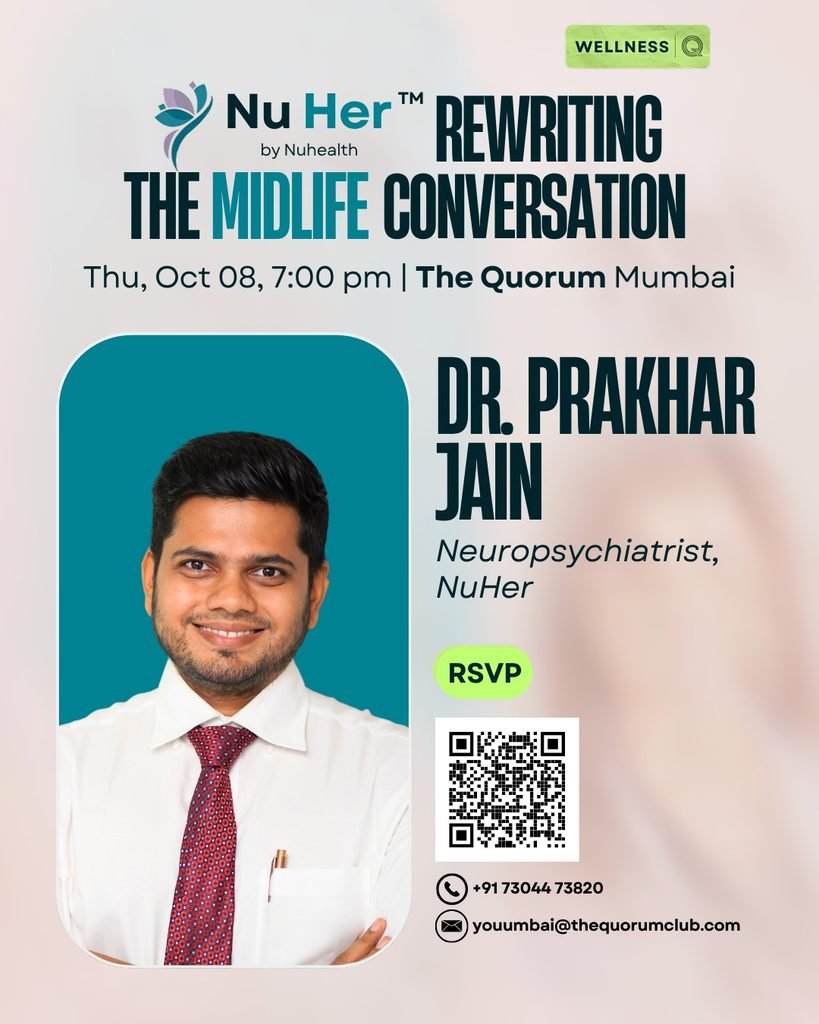
According to Dr. Prakhar D. Jain, a leading Psychiatrist in Mumbai, “Many patients expect the first visit to end with a checklist and a prescription, but that isn’t how a thorough evaluation works. I need to understand the full picture first, sleep patterns, mood, family history, before assigning any diagnosis. Skipping that groundwork undermines the purpose of the assessment.”
What Actually Happens During the First Session?
The session moves through a series of structured stages, though it never feels rigid or scripted.
- The intake talk: Your psychiatrist opens with what brought you in and how long it’s been building.
- Mental status check: A structured observation of your mood, speech, and thought patterns during the conversation. It isn’t a test you can pass or fail, simply a way for your psychiatrist to understand how you’re doing right now.
- Medical and family history: Past illnesses, medicines tried, anything similar in the family. This bit runs long sometimes, and that’s fine.
- The treatment discussion: Once the picture’s clear, your psychiatrist lays out what comes next. Therapy, medication, both, or just watching for now.
So none of this runs on autopilot. Whether a first visit is prompted by anxiety, low mood, or something harder to name, this same structured process applies before any anxiety treatment plan gets built.
What Should You Carry or Prepare?
A little preparation goes a long way in making the first visit more productive for both you and your psychiatrist.
Past reports: Old prescriptions or discharge summaries save your psychiatrist from repeating tests you’ve already sat through.
A rough timeline: When symptoms started, what shifted, what stayed put. Even a messy version beats showing up with nothing.
Current medicines: Everything you’re on, psychiatric or not, supplements included. Interactions matter more than most people assume.
Your own questions: About diagnosis, cost, side effects, timelines. This appointment belongs to you too.
Worried about what a medicine might do before you’ve even started one? Our blog on medication side effects breaks down what’s actually common.
Why Choose Dr. Prakhar Jain for Your First Appointment?
Dr. Prakhar D. Jain carries more than 13 years in psychiatry, working across children and adults both. He holds an MBBS, an MD and DNB in Psychiatry, and a fellowship in Neurodevelopmental Paediatrics and Learning Disability. His take on a first appointment leans on listening, not lecturing, understanding the full picture before naming anything.
A team of psychologists, therapists and counsellors sits behind every intake, so nothing slips through. That balance of depth and patience is what makes a nerve-wracking first visit feel manageable.
A first appointment shapes everything after it, so getting it right counts for more than people expect. Dr. Jain spends the time most rushed consultations skip. Mental status, history, context, before any plan gets written down. Patients usually walk out with clarity, not just a prescription pushed into their hand.
Frequently Asked Questions
How long does a first psychiatrist appointment usually run?
Around 45 to 60 minutes, sometimes 90 in private setups.
Will I get a prescription on the first visit?
Not always. Many first visits end with a plan, not a prescription.
Can a parent join a child's first appointment?
Yes, parents are expected to attend and share history.
Is online consultation available for the first appointment?
Yes, Dr. Jain offers first appointments via telepsychiatry too.
References:
- National Institute of Mental Health. Help for Mental Illnesses.
- National Institute of Mental Health — Tips for Talking With a Health Care Provider
Disclaimer: This blog is for general information only and isn’t a substitute for professional psychiatric advice.