How Does TMS Therapy Work for Depression?
TMS treats depression by firing focused magnetic pulses at the mood circuits in your brain, waking up areas that have gone quiet. It works on the brain directly. Antidepressants, by contrast, travel through your whole body before reaching the brain, and that wider spread is what causes most of their side effects. With TMS you sit awake the whole time. No drip, no sedation, no overnight stay. Most people only turn to it once the usual antidepressants have let them down.
According to Dr. Prakhar D. Jain, an experienced Psychiatrist in Mumbai, “TMS often works when medication hasn’t. It targets the exact mood circuits that have gone underactive, so for treatment resistant depression it can ease symptoms that pills couldn’t reach, and it does that without the systemic side effects.”
What Actually Happens During a TMS Session?
Most people walk in nervous the first time and bored by the third. It’s that uneventful.
The chair: You’re awake, sitting comfortably, a coil resting against your scalp near the forehead. Nothing enters your body. Nothing knocks you out.
Tapping: That’s mostly what you feel. A light, repeating tap where the coil sits. People read. Some just zone out.
Thirty to forty minutes: That’s one session. Short enough that plenty of patients slot it into a lunch break and head back to the office.
Then you keep going. One visit does nothing on its own. The effect stacks up over weeks, session after session, which is the part people underestimate.
Whether it actually fits your case is an assessment question, and that’s what proper TMS therapy planning sorts out.
Who Does TMS Actually Help?
Not everyone. Knowing where it fits saves a lot of wasted hope.
Medication didn’t work: This is the core group. If depression hasn’t lifted after at least one antidepressant, you’re who TMS was built for.
Side effects wore you down: Weight gain, wrecked sleep, a flattened libido. For people who couldn’t stomach what the pills did to them, skipping that systemic load is the whole appeal.
Not just depression, either. OCD responds too, and a few other conditions. So the conversation doesn’t always stay on low mood.
One caution: metal implants or a seizure history mean careful screening first. Always. Safety before scheduling, no shortcuts there.
Choosing a treatment like this is something to do with a specialist, not by yourself at midnight reading forums, and for the mechanism in more depth, our previous blog on rTMS for depression digs into how it works.
Why Choose Dr. Prakhar D. Jain for TMS Care?
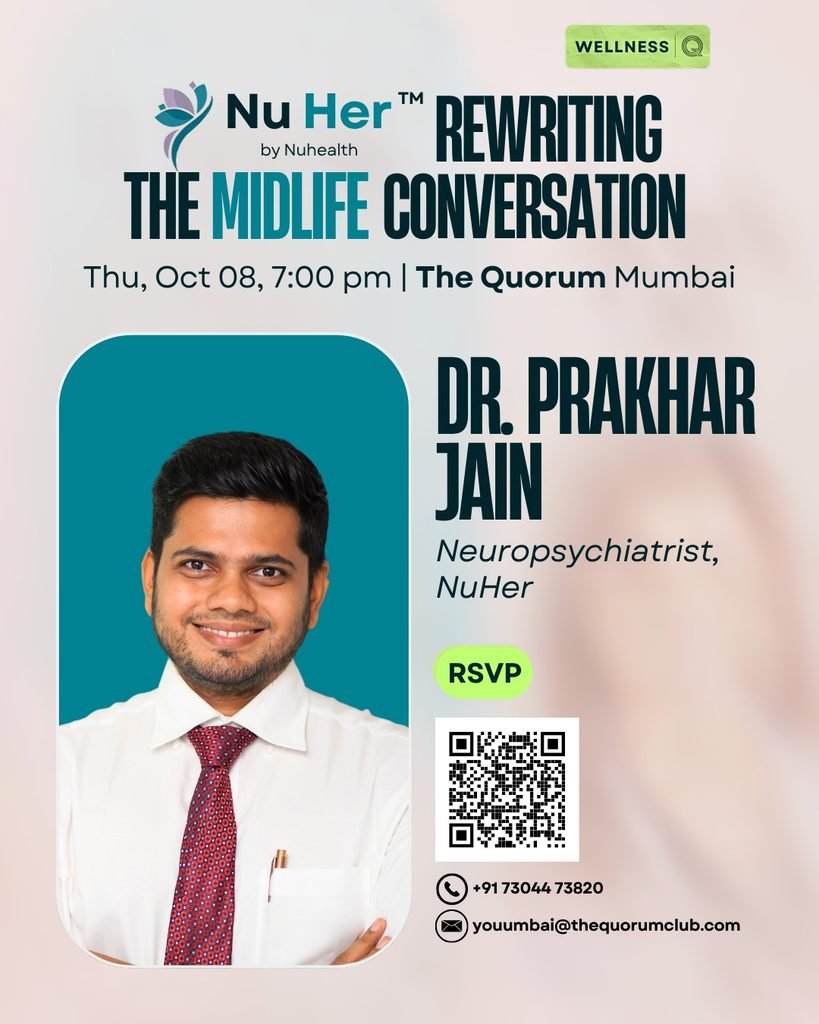
Dr. Prakhar D. Jain brings more than 13 years in psychiatry across children and adults. His training covers an MBBS, an MD and DNB in Psychiatry, and a fellowship in Neurodevelopmental Paediatrics and Learning Disability. When depression won’t lift through the usual routes, he weighs whether TMS genuinely fits rather than reaching for it by reflex. A team of psychologists and therapists backs every plan.
Depression that resists medication needs more than another prescription. Match the treatment to your history and goals, and it carries further than a one size approach. The patients who do best have a plan built around them.
Tried antidepressants and felt let down? Worth finding out if TMS suits you.
FAQs
How quickly does TMS work for depression?
Many notice change within two to three weeks, with fuller benefit by six weeks.
Is TMS therapy painful or sedating?
No sedation is needed. Most feel only a light tapping on the scalp during sessions.
Who is a good candidate for TMS?
People with depression who have not responded well to at least one antidepressant often qualify.
Can I return to work after a TMS session?
Yes, there is no downtime, so most people drive and resume their day right after.
Reference

MBBS, M.D. (PSYCHIATRY), PDF, EMH (USA)
Child & Neuro Psychiatrist.
Dr. Prakhar Jain is a Psychiatrist in Mumbai, and has an experience of more than 13 years in this field. Dr. Prakhar Jain practices at Breach Candy Hospital, Bombay Hospital & Grace Medical Centre in Mumbai. He completed MBBS from Indira Gandhi Government Medical College, Nagpur and M.D. (Psychiatry) from Grant Medical College and Sir JJ Hospital, Mumbai.
Several anxiety disorders commonly occur independently of depression.