Can Anxiety Cause a Heart Attack? Understanding the Risks and How to Stay Safe

Table of Contents

Anxiety’s Connection to Heart Health

Have you ever felt your heart racing out of nowhere, leaving you breathless and worried something is seriously wrong? Anxiety has a way of making you feel like your body is working against you, especially when it comes to your heart. The pounding chest, the shortness of breath—it’s easy to jump to the worst conclusion: “Am I having a heart attack?”


Here’s the truth: anxiety itself doesn’t directly cause heart attacks, but it can mimic their symptoms and put stress on your cardiovascular system. For people with existing heart conditions, chronic anxiety can increase the risks. Understanding how anxiety affects your heart is crucial—not just for your peace of mind but for your physical health too.


In this blog, we’ll break down the link between anxiety and heart health, clear up the confusion between anxiety attacks and heart attacks, and give you actionable tips to manage anxiety effectively.

Anxiety health symptoms are sneaky. They mimic physical illnesses, making you wonder if you’re dealing with something serious. And the scary part? Left unchecked, they can take a toll on your well-being.


This post isn’t about scaring you—it’s about empowering you. Understanding how anxiety manifests physically and mentally is the first step toward reclaiming control. Let’s dive into what these symptoms are, why they matter, and how you can handle them.

How Anxiety Affects Your Heart

Anxiety isn’t just an emotional experience; it impacts your entire body, particularly your heart. When you feel anxious, your brain activates the “fight-or-flight” response—a survival mechanism designed to protect you from danger. But when this response is triggered too often, it can strain your heart.


Adrenaline Surge


When anxiety hits, your body floods with adrenaline. This hormone speeds up your heart rate to prepare you for action. While helpful in emergencies, constant adrenaline surges can make your heart work overtime.


Increased Blood Pressure


As part of the stress response, your blood vessels constrict, which raises your blood pressure. Over time, repeated spikes can harm your arteries and increase the risk of heart disease.


Heart Palpitations


One of the scariest symptoms of anxiety is the feeling that your heart is skipping beats or racing uncontrollably. While usually harmless, these palpitations can feel alarming and add to your anxiety.

Anxiety Symptoms vs. Heart Attack Signs: How to Tell the Difference

One of the biggest challenges of anxiety is how closely its symptoms resemble those of a heart attack. This confusion can create a vicious cycle where anxiety symptoms trigger more fear, worsening the experience.


Common Anxiety Symptoms:


  • Rapid heartbeat or palpitations
  • Chest tightness or discomfort
  • Shortness of breath
  • Dizziness or lightheadedness
  • Sweating and trembling


Common Heart Attack Symptoms:


  • Persistent chest pain or pressure that doesn’t go away
  • Pain radiating to the arms, jaw, or back
  • Nausea or vomiting
  • Cold sweats
  • Shortness of breath that worsens over time

If you’re ever unsure whether you’re having a heart attack or an anxiety attack, it’s always better to seek medical attention immediately. Better safe than sorry.

The Long-Term Impact of Anxiety on Cardiovascular Health

While anxiety doesn’t directly cause heart attacks, its long-term effects can increase the risks of cardiovascular issues. Think of it like a marathon—your heart isn’t built to run at full speed all the time.


Chronic High Blood Pressure


Frequent anxiety episodes can keep your blood pressure elevated, which can damage blood vessels and increase the risk of heart disease.


Inflammation


Chronic stress from anxiety triggers inflammation in the body. This can accelerate plaque buildup in the arteries, making them less flexible and more prone to blockages.


Worsening Existing Conditions


If you already have heart disease or high blood pressure, anxiety can exacerbate these conditions, making it harder to manage your overall health.


Financial stress can feel like a weight on your chest, especially if you’re uncertain about the future. This type of anxiety can also lead to decision paralysis, making it hard to budget or plan.

Strategies to Manage Anxiety and Protect Your Heart

Managing anxiety is one of the best ways to protect your heart. Here’s how you can keep both your mind and body healthy:


Practice Breathing Techniques


When you’re anxious, your breathing often becomes shallow and rapid. Try diaphragmatic breathing:

  • Breathe in deeply through your nose for four counts.
  • Hold for seven counts.
  • Exhale slowly through your mouth for eight counts.

This method slows your heart rate and calms your nervous system.


Stay Active


Exercise is a natural stress reliever. Activities like walking, yoga, or swimming not only boost your mood but also strengthen your heart.


Eat a Heart-Healthy Diet


What you eat impacts both your mental and physical health. Focus on foods rich in omega-3 fatty acids (like salmon and walnuts), whole grains, and plenty of fruits and vegetables.


Limit Caffeine and Alcohol


Both caffeine and alcohol can intensify anxiety symptoms and put additional strain on your heart. Opt for water, herbal teas, or decaffeinated beverages instead.


Seek Therapy


Therapies like Cognitive Behavioral Therapy (CBT) can help you identify and manage the thought patterns that trigger your anxiety. For some, medication may also be a helpful part of their treatment plan.

When this kind of anxiety becomes extreme, it can even lead to avoidance, which impacts friendships and career opportunities.

When to Seek Emergency Help

Knowing when to seek medical help is critical. If you experience the following symptoms, don’t wait—call emergency services immediately:


  • Chest pain or discomfort lasting more than a few minutes
  • Pain radiating to your arms, jaw, or back
  • Severe shortness of breath
  • Lightheadedness or fainting

Don’t second-guess severe symptoms. If something feels off, it’s always better to get checked out by a medical professional.

Taking Charge of Your Mental and Heart Health

Anxiety can make you feel like you’re on a rollercoaster you didn’t sign up for, especially when it impacts your heart. While it doesn’t directly cause heart attacks, the stress and strain it puts on your cardiovascular system are real. Understanding the connection between anxiety and heart health is the first step toward managing both effectively.


By incorporating stress-management techniques, adopting a heart-healthy lifestyle, and seeking help when needed, you can reduce the impact of anxiety on your heart. Remember, your heart and mind are deeply connected—taking care of one helps protect the other.


Take charge today. With the right tools and support, you can feel more in control and confident about your health.

Taking control of your anxiety isn’t just about surviving—it’s about thriving. With the right approach, you can lead a life that feels calm, centered, and free from the constant grip of worry.

Our Patient Recovery Stories

Surya ‘
in the last week
Not all heroes wear capes. Dr. Prakhar has been incredibly patient and compassionate, taking the time to truly understand my concerns. During a very difficult period when I was struggling with suicidal thoughts, he recommended ketamine therapy and it turned out to be life-changing. After just a couple of sessions, I began to feel lighter, happier, and more like myself again. Today, I feel like a normal person who can look forward to the future with hope and excitement, no matter what comes next. I’m forever grateful for his support and care. Thank you, doctor.
Guddu Singh
a week ago
Seth Price
3 weeks ago
The reviews and when it says Best Psychiatrist they aren't kidding. Dr. Jain was SOOOO helpful to me, a tourist from the USA, and helped make traveling with psychiatric help possible. 🥹 So thankful for them: They: -Answered all my questions patiently before I came as a patient. Dr Jain even spoke on the phone with me. -The assistant at the front desk is a real class act and very kind as well. -They made me so comfortable and went out of their way for so much. -Took time out to offer suggestions on where to visit as a tourist in India. -In my special circumstances he even agreed because of my need, to help and assist me while he was gone on vacation with his family...on vacation...with his family...🤯 Can you believe it? Honestly nothing but incredible things to say about them? I'm a picky person, but literally nothing comes to mind. Please select him as your Psychiatrist. Thanks Seth from Texas USA 🙂 (Thank you again Dr. Jain and Mr. Pandey!)
Roshni Shetty
3 weeks ago
Had my first consult with Dr. Prakhar. He was patient, polite and made me feel comfortable throughout. Would definitely recommend.
Ajay Tiwari
3 weeks ago
How can I say dr jain is most qualified dr in the world.not in india.He gave me new life thank you so much de prakhar jain 🙏🙏🙏🙏🙏

Frequently Asked Questions

Anxiety itself doesn’t directly cause a heart attack, but it can put stress on your cardiovascular system. When you’re anxious, your body triggers a “fight-or-flight” response, which increases your heart rate, raises blood pressure, and causes stress hormones like adrenaline to surge. Over time, chronic anxiety can exacerbate existing heart conditions or contribute to long-term cardiovascular issues, increasing the risk of a heart attack.

Anxiety and heart attacks share similar symptoms, such as chest pain, shortness of breath, and sweating. However, there are key differences:


  • Anxiety Attack: Symptoms often include chest tightness, rapid breathing, trembling, and a sense of dread. These typically subside within 20–30 minutes and may improve with calming techniques.
  • Heart Attack: Symptoms like persistent chest pain or pressure, pain radiating to the arm or jaw, nausea, and cold sweats often get worse over time and don’t improve with relaxation.

If you’re unsure, seek medical attention immediately. It’s better to rule out a heart attack than ignore a potential emergency.

Chronic anxiety can have long-term effects on your heart. Over time, the stress from frequent adrenaline surges can lead to:


  • Sustained high blood pressure (hypertension)
  • Increased risk of plaque buildup in arteries
  • Inflammation that contributes to heart disease While anxiety itself doesn’t directly damage the heart, its cumulative effects can strain your cardiovascular system.

Anxiety activates your body’s stress response, releasing adrenaline. This hormone prepares your body to respond to perceived danger by speeding up your heart rate and increasing blood flow to your muscles. While this response is helpful in real emergencies, it can feel alarming when triggered by anxiety.

In most cases, heart palpitations caused by anxiety are harmless, especially if you have no underlying heart conditions. They’re simply a result of your body responding to stress. However, if palpitations are accompanied by dizziness, fainting, or chest pain, consult a doctor to rule out other causes.

Here are some effective strategies:


  • Exercise regularly: Physical activity improves heart health and reduces stress.
  • Practice relaxation techniques: Breathing exercises and mindfulness help calm your nervous system.
  • Limit stimulants: Reduce caffeine and alcohol, which can intensify anxiety.
  • Eat heart-healthy foods: Include omega-3-rich fish, leafy greens, and whole grains in your diet.
  • Get enough sleep: Rest helps your body recover and lowers stress levels.

If your anxiety episodes are accompanied by heart-related symptoms like chest pain, palpitations, or shortness of breath, it’s a good idea to consult a cardiologist. They can perform tests to rule out any underlying heart conditions and offer reassurance if your symptoms are anxiety-related.


Many people successfully manage anxiety symptoms without medication through:

  • Therapy, such as Cognitive Behavioral Therapy (CBT)
  • Mindfulness practices and breathing exercises
  • Regular physical activity
  • Journaling or other stress-relief activities However, medication can be helpful for severe cases and should be discussed with a healthcare provider.

Chest pain is a common symptom of anxiety and is often caused by muscle tension or hyperventilation. While it can feel intense and mimic heart attack symptoms, it’s usually not dangerous. However, if the pain is severe, persistent, or accompanied by other symptoms like arm or jaw pain, seek medical attention immediately.

If you’re experiencing an anxiety attack, try the following:


  1. Focus on your breathing: Practice diaphragmatic breathing to slow your heart rate.
  2. Use grounding techniques: Engage your senses by noticing what you see, hear, and feel around you.
  3. Remind yourself it’s temporary: Anxiety attacks typically peak within 10–20 minutes and subside.
  4. Limit physical exertion: Avoid activities that further elevate your heart rate during an episode. If your symptoms don’t improve or feel different than usual, call for medical help.
Dr. Prakhar D. Jain

About Dr. Prakhar D. Jain

Dr. Prakhar D. Jain is an experienced psychiatrist specializing in child and neuropsychiatry. With an impressive background that includes an MBBS, M.D. in Psychiatry, and PDF in Emergency Mental Health (USA), Dr. Jain provides comprehensive mental health solutions through his practice at Sir JJ Hospital, Wadia Hospital, and Royal Clinic in Mumbai.

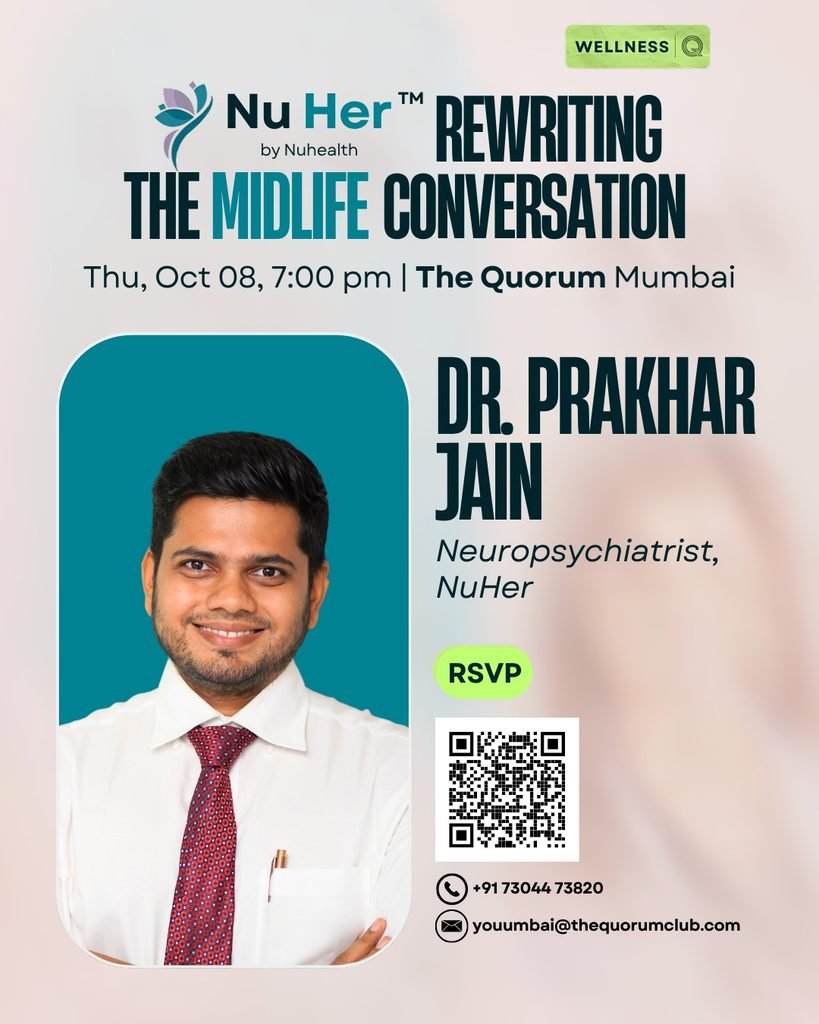
For more information or to schedule a consultation:

Initiatives by Dr. Prakhar Jain

  • IKIGAI: Comprehensive treatment for neurodevelopmental disorders.
  • Sobriety: Effective de-addiction services.
  • The Psychiatrist Says: Telepsychiatry and teletherapy for accessible mental health care.
  • Centre of Excellence for Psychiatry & Neurology: Comprehensive dementia and old age issue management.
  • Intimacy Intervention: Solutions for intimate issues affecting sexual satisfaction and fertility.
  • The Soul Spa: Complete mental and emotional health solutions through advanced methods like biofeedback and behavioral therapy.

Understanding and managing stress is not just about surviving; it’s about thriving. Take control of your mental health with the guidance of Dr. Prakhar D. Jain and make stress management a priority in your life.

Picture of Dr. Prakhar D. Jain

Dr. Prakhar D. Jain

MBBS, M.D. (PSYCHIATRY), PDF, EMH (USA)
Child & Neuro Psychiatrist.

Dr. Prakhar Jain is a Psychiatrist in Mumbai, and has an experience of 7 years in this field. Dr. Prakhar Jain practices at Sir JJ Hospital, Wadia Hospital & Royal Clinic in Mumbai. He completed MBBS from Indira Gandhi Government Medical College, Nagpur and M.D. (Psychiatry) from Grant Medical College and Sir JJ Hospital, Mumbai.

Scroll to Top