Thinking of quitting alcohol? That’s a powerful decision—and honestly, a brave one. But here’s the thing most people don’t talk about: alcohol withdrawal symptoms can hit hard. And it’s not just about feeling “off” for a day or two. It’s a real process your body and mind go through, and knowing what to expect can make all the difference.
So, whether you’re trying to cut back, support someone else, or just get informed—this guide walks you through what withdrawal really looks like, step by step.
Why Alcohol Withdrawal Isn’t Just a Hangover
Ever wake up after a night of drinking with your heart racing, hands shaking, or feeling more anxious than usual? That’s not just a bad hangover—it could be your nervous system reacting to the sudden drop in alcohol.
Here’s why: alcohol slows down brain activity. Over time, your brain tries to balance that out by becoming more excitable. When the alcohol suddenly disappears, the brain doesn’t immediately adjust—so everything feels… intense.
Think of it like driving 100 km/h and slamming the brakes. That jolt? That’s withdrawal.
Feeling jumpy, sweaty, or restless after quitting alcohol? It might be more than you think—don’t ignore the early signs of withdrawal.
Early Symptoms – What to Expect in the First 6–12 Hours
Let’s start with the first few hours after your last drink. You might feel:
- A little shaky
- Edgy or anxious
- Sick to your stomach
- Struggling to sleep
- Or like your heart just won’t slow down
It’s your body sending out distress signals. These symptoms are uncomfortable, but they’re also your first sign that detox has officially begun.
Peak Withdrawal Period – When Symptoms Get Intense (24–72 hours)
Here’s where things can get rough.
Within a day or two, alcohol withdrawal symptoms often hit their peak. You might start sweating through your shirt, feel feverish, or even hear or see things that aren’t there. Some people experience intense panic or confusion—others, seizures.
It’s a vulnerable time, and if you’re alone, it can feel terrifying. That’s why having someone nearby or being under medical care is so important. Dr. Prakhar Jain, a trusted psychiatrist in India, often emphasizes the need for proper monitoring during this stage.
Physical Symptoms – From Sweating to Seizures
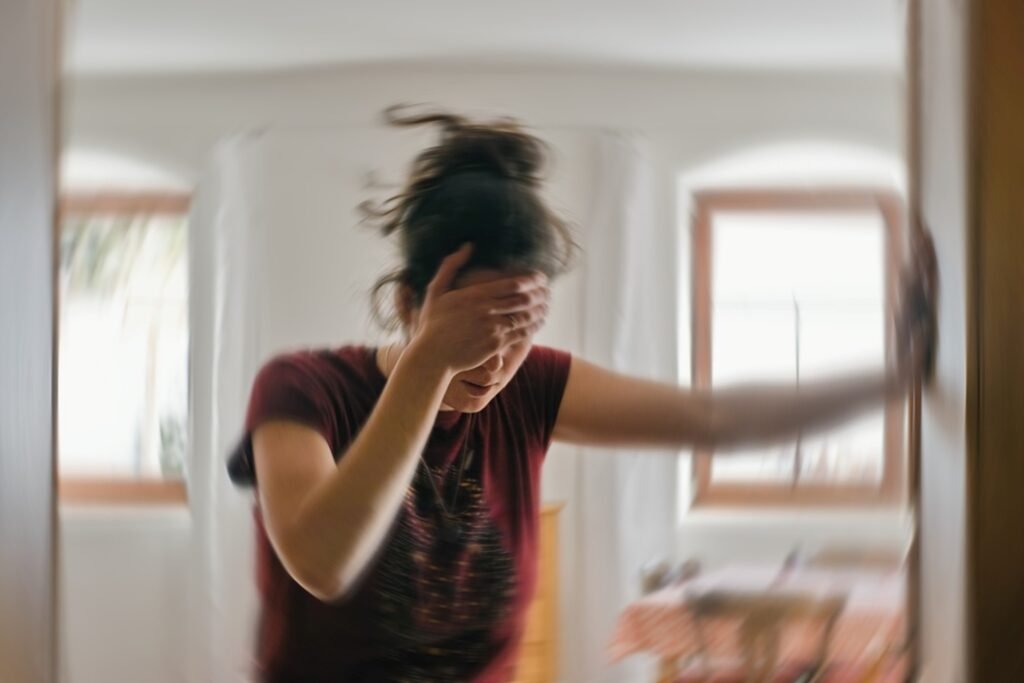
Let’s talk about body stuff.
Some of these physical symptoms are manageable (headaches, chills, stomach cramps). But others—like seizures—can come without warning, usually 24 to 48 hours after the last drink. And they’re serious.
If you’ve ever experienced this before, you already know: you don’t want to go through it alone. Medical support during withdrawal isn’t just helpful—it can be life-saving.
Mental & Emotional Effects – Anxiety, Irritability, and Depression
Now let’s flip to the mental side of things—because withdrawal isn’t just physical.
You might feel like you’re coming unglued. Mood swings, racing thoughts, crying for no reason, snapping at loved ones—it’s all part of the process. Alcohol withdrawal anxiety can make it hard to sleep or even sit still. And for some, depression creeps in like a fog that won’t lift.
According to Dr. Prakhar Jain, who is also known as an experienced ADHD specialist in Mumbai, individuals with underlying conditions like ADHD or anxiety may find withdrawal especially mentally overwhelming. But this doesn’t mean you’re weak. It means your brain is trying to heal—and that takes time and care.
What Is Delirium Tremens (DTs) and Why Is It Dangerous?
Here’s the big one: delirium tremens, or DTs.
It usually shows up between 48 to 96 hours into withdrawal, and it’s serious. You could feel completely out of touch with reality, see things that aren’t there, or get dangerously high blood pressure and heart rate. Some people experience seizures.
These symptoms of delirium tremens can be fatal without immediate treatment. If you or someone you know starts showing signs of severe confusion, agitation, or hallucinations—get help now.
Seeing things that aren’t real? Feeling completely disoriented? It might be DTs—don’t wait. Call a doctor or visit the ER immediately.
Risk Factors That Can Make Withdrawal Worse
Not everyone experiences withdrawal the same way.
Some people have a tougher time, especially if they’ve been drinking heavily for years, have had withdrawal symptoms before, or have other health issues like heart or liver disease.
Add mental health concerns like anxiety or depression into the mix, and things can get even more complicated.
That’s why doctors consider alcohol detox timeline, health history, and mental wellbeing before deciding how to manage withdrawal safely.
Can You Manage Withdrawal at Home? What Doctors Say
So, can you detox at home?
The honest answer is—it depends. If your symptoms are mild and it’s your first time trying to quit, maybe. But it’s not a one-size-fits-all situation.
You’ll need:
- A safe, quiet space
- Someone to check on you
- Lots of fluids and light meals
- Rest, rest, and more rest
But if symptoms go from annoying to scary? It’s time to check in with a pro.
When to Seek Medical Help Immediately
Here’s your checklist for a trip to the ER:
- You’re seeing or hearing things
- You’re having seizures or tremors
- You feel confused or aggressive
- Your fever spikes
- Your heart is racing like crazy
These aren’t “wait and see” moments. They’re medical emergencies.
Your body’s trying to reset—but you don’t have to do it alone. Reach out to Dr. Prakhar Jain or your local specialist to make recovery safe and supported.\
What Comes After Withdrawal – Recovery Isn’t Just Detox
Detox is just the first mountain to climb. What comes next is equally important—therapy, emotional support, maybe medication, and a whole lot of patience.
Think of it like rebuilding a house. Detox clears the damage, but therapy helps you lay new bricks—relationships, routines, purpose.
So if you’re wondering what’s next after detox? It’s life. A better, healthier one.
Frequently Asked Questions
Q: What is the typical alcohol detox timeline?
A: Most symptoms start 6–12 hours after your last drink, peak around 24–72 hours, and taper off after 5–7 days. Emotional recovery can take longer.
Q: Can alcohol withdrawal cause anxiety?
A: Absolutely. Alcohol withdrawal anxiety is real—and often one of the first symptoms people notice.
Q: What are symptoms of delirium tremens?
A: Hallucinations, severe confusion, fever, seizures. If you notice these, it’s time for immediate medical help.
Q: Can you detox at home safely?
A: Sometimes—if symptoms are mild and you have support. But talk to a doctor first, especially if it’s not your first time.
Q: Where can I find help in India?
A: Dr. Prakhar Jain, based in Mumbai, specializes in addiction psychiatry and offers safe, compassionate care for alcohol withdrawal and recovery.